

The Lavender Fields of Hungary
Lavender’s healing power has been cherished for centuries, prized for its fragrance, beauty, and calming properties. Native to the Mediterranean, this remarkable plant found a new home in Hungary, where lavender cultivation has its own rich tradition. In this newsletter, we invite you to discover the stunning lavender fields of the Tihany and Pannonhalma abbeys.
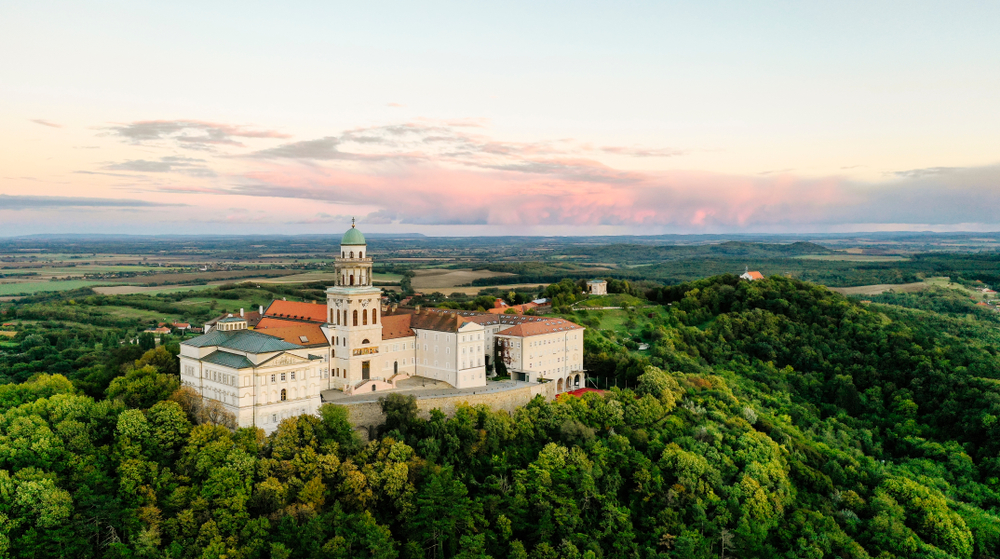
Founded over a thousand years ago, the Pannonhalma Archabbey is one of Europe’s oldest Benedictine monasteries and a UNESCO World Heritage Site. For centuries, its monks have followed a tradition of herbalism and winemaking, and since the 20th century their herb garden has bloomed with fragrant lavender each summer, drawing visitors to stroll among the rows or pick their own bouquets during the annual Lavender Days.
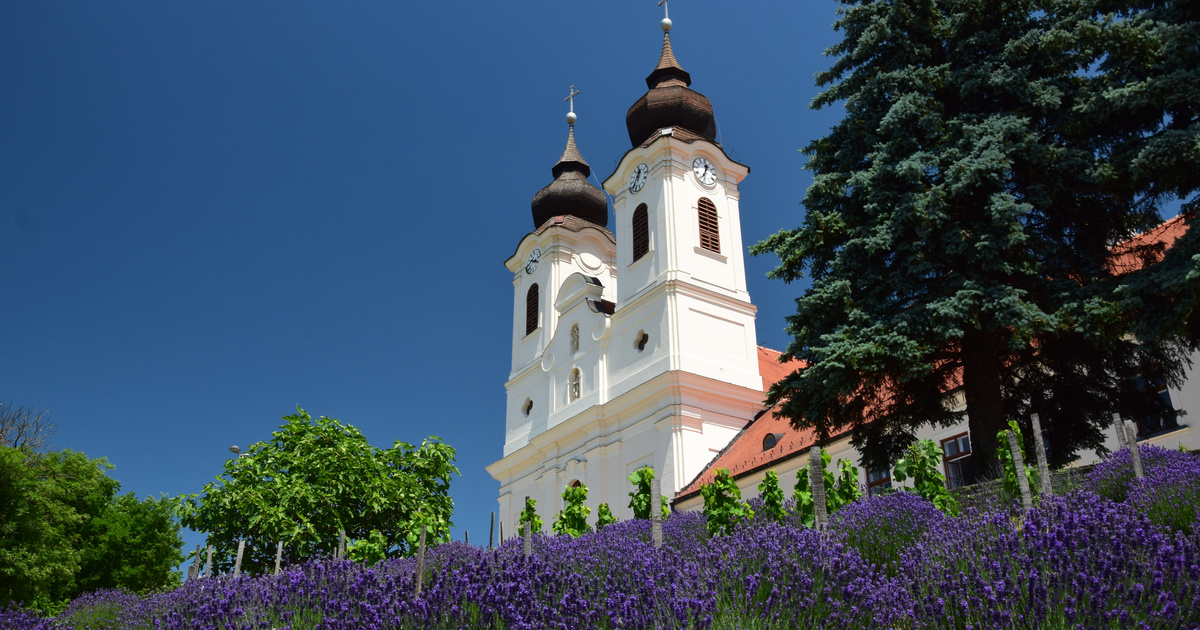
Standing atop the Tihany peninsula, the Benedictine abbey was founded in 1055 by King Andrew I, whose burial crypt holds the oldest surviving document containing Hungarian words. Perched on volcanic hills between Lake Balaton and the small inner lake, it offers sweeping views over the Balaton landscape. Just a short walk away, lavender fields have flourished on these sunny, volcanic slopes since the 1920s, making it easy to pair a visit to the abbey with a stroll through their fragrant purple rows.
If this article has sparked your interest in exploring Hungary’s fragrant lavender heritage, get in touch with Quality Tours Hungary for a tailor-made offer and don’t forget to subscribe to our newsletter.
